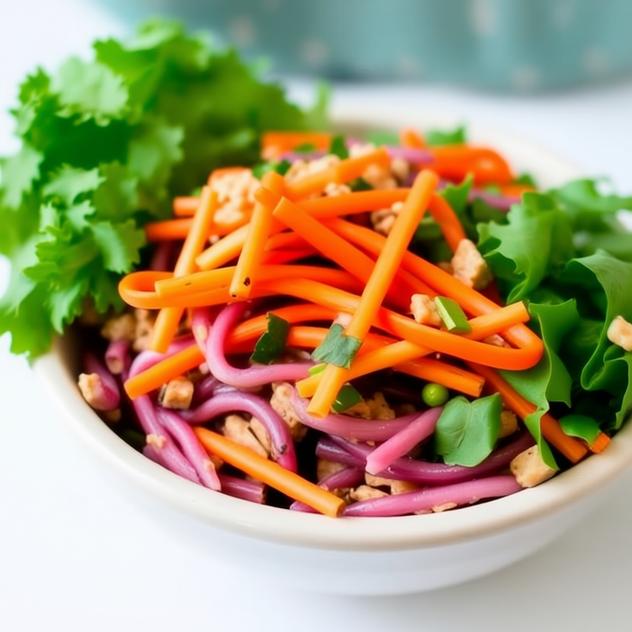

A 30-day vegan challenge gives beginners a clear period for testing vegan meals. You can learn new recipes without making a permanent promise. Thirty days also provides enough time to build useful shopping and cooking habits.
A vegan diet removes meat, fish, dairy, eggs, and other animal ingredients. What replaces those foods matters more than the label alone. Balanced meals need beans, grains, vegetables, fruit, nuts, seeds, and fortified foods.
The 30-day vegan challenge should focus on learning rather than perfect results. You may misread a label or order the wrong meal. Use that moment to improve the next choice instead of ending the challenge.
This guide explains food planning, nutrients, budgets, eating out, and weekly goals. It offers general education rather than personal medical advice. People with health conditions should discuss major diet changes with qualified care professionals.
Pregnant people, children, older adults, and competitive athletes have added nutrient needs. Anyone with an eating disorder history should seek personal support before starting. A registered dietitian can build a plan around medical and cultural needs.
What Is a 30-Day Vegan Challenge?
A 30-day vegan challenge involves eating vegan food for one full month. Participants avoid animal foods while trying plant-based meals and products. The challenge creates a short structure for learning how vegan eating works.
Some people join for health, animals, cost, or personal values. Others simply want more plant foods in their routine. Your reason can guide your food choices and keep motivation steady.
The challenge works best when meals stay familiar and satisfying. Bean tacos, pasta, curry, soup, and oatmeal may already fit. Starting with known dishes reduces stress during the first week.
Thirty days will not answer every question about long-term vegan eating. It can still reveal which meals and habits suit you. Record useful lessons without treating daily body changes as scientific proof.
How to Start a Vegan Diet
Learning how to start a vegan diet begins with your usual meals. Write down breakfasts, lunches, dinners, snacks, and drinks you enjoy. Then identify easy vegan versions using familiar ingredients.
Choose a start date that gives you time to shop. Avoid beginning before major travel or a stressful work deadline. A calm first week makes cooking and label reading easier.
Decide whether you will switch at once or prepare gradually. Both methods can work when meals remain balanced. The 30-day vegan challenge begins officially when all daily food becomes vegan.
Plan a reliable breakfast, lunch, dinner, and snack before day one. Repeat simple meals during busy periods without feeling guilty. Variety can grow as your confidence and pantry improve.
Veganuary Beginner Guide
This Veganuary beginner guide also works during any month. Veganuary encourages people to try vegan choices throughout January. Its planning advice can support every 30-day vegan challenge.
Check your cupboards before buying a completely new pantry. Rice, pasta, oats, beans, peanut butter, and canned tomatoes may already be vegan. Familiar staples reduce cost and limit food waste.
Replace favorite meals rather than removing their main parts. Lentil sauce can replace meat sauce, while bean filling works in tacos. Fortified plant milk can replace dairy milk in many breakfasts.
Keep two emergency meals ready for difficult evenings. Canned soup, frozen curry, or pasta with beans can prevent skipped meals. Read every label because recipes and ingredient sources can change.
Vegan Challenge Meal Plan
A vegan challenge meal plan should cover energy, protein, fats, and key nutrients. Each main meal needs a filling base and useful protein source. Vegetables and flavorful sauces make the meal complete.
Breakfast might combine oats, fortified plant milk, fruit, and ground seeds. Lunch can use lentil soup with bread and salad. Dinner may include tofu stir-fry with rice and vegetables.
Snacks can support energy between meals without replacing balanced food. Fruit with nut butter, hummus with bread, or fortified yogurt can work. Portion needs vary with body size and daily activity.
Use the meal plan as a flexible map rather than strict law. Swap similar foods when cost, taste, or allergies require changes. Keep the basic meal structure while changing recipes.
Going Vegan for 30 Days
Going vegan for 30 days feels easier when you expect a learning period. Grocery trips may take longer while you read labels. Cooking may also require extra time during the first week.
Appetite can change when meals contain more fiber and less fat. Increase beans and whole grains at a comfortable pace. Drink enough fluids while your fiber intake rises.
Do not assume every physical change comes from the diet. Sleep, stress, exercise, and medicine can affect energy and digestion. Seek medical advice for severe or lasting symptoms.
At the end, review meals, costs, energy, and social challenges. Keep the habits that helped and revise weak areas. The 30-day vegan challenge remains useful even without permanent vegan plans.
How to Prepare Before Day One
Preparation makes the 30-day vegan challenge easier during busy days. Choose several meals you already know how to cook. Find simple vegan versions with common local ingredients.
Tell people who shop or cook with you before starting. Explain what foods the challenge removes and which meals still work. Clear plans reduce confusion during shared meals.
Use dairy, eggs, and meat already purchased according to your values. Some people finish them before starting, while others donate unopened items. Avoid waste without delaying the challenge for months.
Check medicines and supplements without stopping prescribed treatment. Some products contain animal ingredients, but medical care comes first. Ask a pharmacist about options when that issue matters personally.
Building a Simple Vegan Pantry
A useful pantry supports quick meals throughout the 30-day vegan challenge. Keep several grains, beans, sauces, herbs, and shelf-stable proteins available. Choose foods you enjoy rather than copying an ideal pantry.
Canned beans save time and work in soups, salads, curries, and wraps. Lentils cook quickly and pair well with rice. Tofu and tempeh add variety when stored and prepared correctly.
Nuts, seeds, and nut butters provide energy and useful fats. Ground flaxseed or chia can support omega-3 intake. Store these foods as directed to protect flavor and quality.
Fortified plant milk and cereal can help supply key nutrients. Check labels for vitamin B12, calcium, and vitamin D. Different brands may have very different nutrient amounts.
Shopping for a 30-Day Vegan Challenge
Build your grocery order around planned meals rather than random vegan products. Start with produce, grains, beans, proteins, and fortified foods. Add treats and meat replacements within your budget.
Read the full ingredient list when a vegan label is absent. Milk, egg, whey, gelatin, and fish sauce appear in unexpected products. Allergen statements help but may not identify every animal ingredient.
The phrase may contain does not always mean an animal ingredient was added. It often warns about shared factory equipment. Decide how you will handle these warnings before shopping.
Buy realistic amounts of fresh produce for the coming week. Frozen and canned options can reduce waste and preparation time. Plain versions also make seasoning and salt easier to control.
Week One of the 30-Day Vegan Challenge
Week one should focus on reliable meals and regular eating. Repeat breakfast and lunch when that reduces stress. Save new recipes for evenings with enough time.
Learn one useful protein source each day during the first week. Try beans, lentils, tofu, tempeh, or textured soy. Season each option with flavors you already enjoy.
Check hunger a few hours after every main meal. Add larger grain portions, protein, or healthy fats when needed. Vegan meals can feel light when portions stay too small.
Expect label reading and meal preparation to feel slower initially. These tasks become easier as familiar products increase. Keep simple notes about meals worth repeating.
Week Two of the 30-Day Vegan Challenge
Week two can add more variety without changing every meal. Choose two new dinners and one new snack. Keep the remaining meals familiar and easy.
Begin checking how well your meals cover major food groups. Include protein, starch, vegetables, and useful fats during most main meals. Add fortified foods where they support nutrient needs.
Review any digestive discomfort after the first week. Reduce sudden fiber jumps while maintaining balanced meals. Rinse canned beans and increase portions at a steady pace.
Prepare one large meal that creates useful leftovers. Chili, curry, stew, or pasta sauce can cover several servings. Store and reheat food according to standard safety guidance.
Week Three of the 30-Day Vegan Challenge
Week three often brings more social and practical questions. You may face restaurant meals, work events, or family dinners. Plan these situations before hunger makes choices harder.
Check restaurant menus online and call when ingredient details remain unclear. Ask direct questions about sauces, cooking fats, and toppings. Keep a backup snack during uncertain outings.
Try one meal from a cuisine with many plant-based dishes. Bean stews, lentil curries, tofu dishes, and vegetable noodles offer useful ideas. Confirm hidden dairy, egg, meat stock, or fish sauce.
Review the 30-day vegan challenge budget during this week. Note costly items that added little value. Replace them with beans, grains, seasonal produce, or homemade sauces.
Week Four of the 30-Day Vegan Challenge
Week four should focus on habits that could continue afterward. Identify several breakfasts, lunches, dinners, and snacks you enjoy. Save recipes and product names where you can find them.
Review nutrient sources across a normal week rather than one perfect day. Confirm a reliable vitamin B12 plan before continuing. Check calcium, iron, iodine, vitamin D, and omega-3 sources.
Notice which situations still feel difficult or stressful. Create a practical response for travel, celebrations, or busy workdays. Strong routines matter more than constant recipe variety.
Decide what day thirty means before the challenge ends. You can continue, adjust, or return to selected animal foods. Make the choice from experience rather than outside pressure.
Vegan Protein During the Challenge
Protein supports muscles, organs, hormones, and many daily body functions. A 30-day vegan challenge can provide enough protein with proper planning. Include a clear protein source during each main meal.
Beans, lentils, peas, tofu, tempeh, seitan, and soy milk provide protein. Nuts and seeds also contribute smaller useful amounts. Choose several sources across the week.
You do not need to combine special proteins during each meal. Eating varied foods across the day supplies different amino acids. Total intake and meal balance deserve more attention.
Athletes and older adults may need more careful protein planning. Large training loads also raise energy needs. A registered dietitian can set targets for personal goals.
Vitamin B12 During a 30-Day Vegan Challenge
Vitamin B12 supports blood cells and normal nerve function. Unfortified plant foods do not supply reliable vitamin B12. Fortified foods and supplements provide dependable vegan sources.
Check plant milk, cereal, nutritional yeast, and meat replacement labels carefully. Fortification varies widely between products and countries. A vegan label does not prove useful B12 content.
Thirty days may seem short, but a sound B12 habit matters immediately. Do not wait for symptoms before planning a source. Nerve harm from deficiency can become serious.
Follow public health guidance or personal medical advice for supplements. Existing deficiency may require a different dose and testing. Never treat suspected deficiency through internet advice alone.
Iron and Vegan Meals
Iron helps blood carry oxygen throughout the body. Lentils, beans, tofu, seeds, and fortified cereal provide plant iron. Absorption differs from iron found in meat.
Vitamin C can improve absorption from plant-based meals. Add peppers, citrus, berries, tomatoes, or broccoli near iron-rich foods. This habit fits easily within the 30-day vegan challenge.
Tea and coffee can reduce iron absorption when consumed with meals. People with low iron may need different timing. Ask a clinician about testing when fatigue or weakness persists.
Do not take high-dose iron without medical guidance. Excess iron can cause harm and mask the real problem. Blood tests help identify whether treatment is needed.
Calcium and Vitamin D
Calcium supports bones, muscles, nerves, and other body functions. Fortified plant milk, calcium-set tofu, and some greens provide calcium. Check labels because amounts vary across brands.
Vitamin D helps the body use calcium and supports bone health. Food sources are limited, especially without fortified products. Sun exposure also varies with season, skin, location, and lifestyle.
A 30-day vegan challenge should include reliable calcium foods every day. Shake fortified plant milk before pouring because nutrients may settle. Use it in cereal, sauces, drinks, or oatmeal.
Personal supplement needs depend on diet, location, age, and medical history. Follow local public health guidance or clinical advice. Avoid assuming one dose suits every person.
Omega-3 Fats on a Vegan Diet
Omega-3 fats support normal cell functions and several body systems. Ground flaxseed, chia seeds, hemp seeds, and walnuts provide plant omega-3 fats. Add a rich source most days.
Whole flaxseed may pass through digestion without releasing much oil. Grinding improves access and makes it easier to add. Stir ground seed into oats, yogurt, or smoothies.
Algae-based supplements provide the longer-chain forms found in seafood. Some people may consider them based on life stage or medical advice. Pregnancy requires careful product and dose review.
Use omega-3 planning throughout the 30-day vegan challenge. Do not rely on occasional walnuts alone when portions stay tiny. Consistent food choices make the plan easier.
Iodine and Other Nutrients
Iodine supports thyroid hormone production and normal body functions. Vegan sources can vary based on fortification and local food systems. Seaweed may contain highly uneven amounts.
Too little iodine can cause problems, while too much also harms health. Do not use large seaweed portions as a guessed supplement. Check local guidance for reliable sources.
Zinc, selenium, and choline also deserve attention during longer vegan eating. Beans, whole grains, nuts, seeds, and soy foods can contribute. A varied diet supports intake across these nutrients.
The 30-day vegan challenge should build habits rather than create nutrient fear. Use sound sources and professional advice when needed. Avoid claims that one powder solves every concern.
Managing Fiber and Digestion
Vegan meals often contain more fiber than previous eating patterns. Fiber supports digestion, but rapid increases can cause gas or bloating. Change portions at a comfortable pace.
Rinse canned beans and begin with smaller servings when needed. Lentils may feel easier for some beginners. Cooking beans thoroughly also improves texture and comfort.
Drink enough fluids while increasing fruit, vegetables, beans, and whole grains. Regular movement may also support digestion. Severe pain or lasting bowel changes need medical review.
Do not remove many healthy foods after one uncomfortable meal. Note portions, timing, and preparation before making conclusions. A dietitian can help with ongoing digestive conditions.
Budget Vegan Eating for Thirty Days
A 30-day vegan challenge can fit a modest grocery budget. Beans, lentils, oats, rice, pasta, and potatoes remain affordable staples. Seasonal and frozen produce can control waste.
Meat replacements offer convenience but can raise the weekly total. Use them where they add enjoyment or save time. Build most meals from simple foods you already like.
Compare unit prices and choose store brands when quality remains similar. Dry beans may cost less, while canned beans save time. Select the option that fits your schedule.
Plan leftovers before shopping so extra food has a purpose. Freeze portions that will not be eaten soon. A written meal plan limits forgotten produce and repeated takeout.
Vegan Meal Prep for Busy Weeks
Meal prep can protect the 30-day vegan challenge during demanding weeks. Cook one grain, one protein, and one sauce in advance. Combine them with different vegetables across meals.
Chop vegetables before busy days if storage remains safe. Prepare overnight oats or breakfast jars for early mornings. Portion snacks so they travel easily.
Use clean containers and cool cooked food within safe time limits. Label meals with preparation dates and expected use. Reheat leftovers fully according to food safety guidance.
Do not prepare thirty different recipes before the month begins. Start with a few flexible foods and learn from use. Excess preparation can create waste and pressure.
Easy Vegan Food Swaps
Simple swaps make the 30-day vegan challenge feel less disruptive. Use fortified plant milk in cereal and coffee. Replace butter with a vegan spread or suitable cooking oil.
Beans, lentils, tofu, or meat replacements can fill familiar main dishes. Use nutritional yeast or vegan cheese where the flavor helps. Check fortification rather than assuming every replacement is equal.
Egg replacements depend on the purpose within each recipe. Ground flax can bind some baked foods, while tofu suits scrambles. Commercial products may work better in delicate baking.
Focus on function, taste, cost, and nutrition for each swap. One product does not need to copy the original perfectly. A satisfying meal matters more than exact imitation.
Eating Vegan at Restaurants
Restaurant meals require questions about ingredients and cooking methods. Check the menu before leaving home and call when needed. Vegan symbols provide help but can still require allergy checks.
Ask whether rice, soup, bread, or vegetables contain animal stock or butter. Sauces may include dairy, egg, honey, or fish. Clear questions help staff give useful answers.
Choose cuisines with several plant-based dishes when possible. Confirm ingredients without assuming traditional recipes remain identical everywhere. Restaurants may change recipes without updating older online menus.
Keep a snack available during the 30-day vegan challenge. A backup reduces stress when options disappear. Social connection can remain the main purpose of the meal.
Handling Family and Social Events
Tell hosts about the challenge early and keep the explanation simple. Offer to bring a dish everyone can share. This approach reduces work for the host.
Avoid turning every meal into a debate about vegan eating. Answer honest questions without demanding agreement. The 30-day vegan challenge belongs to you, not everyone present.
Eat a small meal beforehand when suitable options remain uncertain. Bring a filling dish rather than relying on salad alone. Check sauces, desserts, and side dishes for hidden ingredients.
Thank people who make a sincere effort, even when meals stay simple. Clear kindness improves future invitations and support. Correct mistakes calmly and move forward.
Travel During a 30-Day Vegan Challenge
Travel becomes easier with research and portable food. Check hotel breakfast options, nearby stores, and restaurant menus before departure. Save useful addresses without relying on mobile service.
Pack shelf-stable snacks such as nuts, bars, crackers, or roasted beans. Airline and train meals may require advance orders. Confirm special meals close to the travel date.
Language cards can help explain vegan needs in another country. Include common animal ingredients and local dish names. Allergy cards remain separate and require stricter handling.
The 30-day vegan challenge can continue with simpler meals while traveling. Bread, fruit, beans, rice, and vegetables may cover a short period. Resume wider variety when normal routines return.
Exercise and the 30-Day Vegan Challenge
Exercise does not require ending a well-planned vegan challenge. Active people need enough energy, protein, carbohydrates, fluids, and recovery food. Small portions may fail during heavy training.
Eat a carbohydrate-rich meal or snack before longer activity as personally suitable. Follow exercise with protein and carbohydrates for recovery. Tofu, soy milk, beans, and grains can help.
Do not use low energy as proof that vegan eating cannot support exercise. First review calories, meal timing, sleep, hydration, and iron status. Seek professional help when fatigue continues.
Competitive athletes should work with a sports dietitian when possible. Travel, weight goals, and training cycles increase planning needs. Supplements also require checks for safety and sport rules.
Common 30-Day Vegan Challenge Mistakes
The first mistake involves removing animal foods without replacing their energy. A plate of vegetables alone rarely forms a full meal. Add grains, protein, and healthy fats.
The second mistake involves buying too many unfamiliar vegan products. High costs and disliked flavors can create frustration. Test small amounts before stocking several packages.
Another mistake involves ignoring vitamin B12 until the challenge ends. Build a reliable source from the start. Fortified foods or suitable supplements require clear label checks.
Perfection can become the final mistake during the 30-day vegan challenge. One error does not erase previous choices. Learn what happened and continue with the next meal.
How to Read Vegan Food Labels
Food labels become easier after several shopping trips and repeated purchases. Start with the ingredient list rather than claims on the front. Plant-based does not always mean fully vegan.
Look for clear animal ingredients such as milk, eggs, honey, gelatin, and whey. Casein, lactose, and shellac also come from animal sources. Fish sauce and meat stock can appear inside savory products.
Allergen labels often highlight milk and eggs in bold text. They do not cover every animal ingredient, including honey or gelatin. Read the full list before choosing an unfamiliar product.
Recipe changes can affect products you bought safely before the 30-day vegan challenge. Check labels again when packaging changes or time has passed. Contact the company when an ingredient source remains unclear.
Whole Foods and Vegan Convenience Foods
Whole plant foods include beans, grains, vegetables, fruit, nuts, and seeds. They provide fiber and many useful nutrients. These foods can form the main base of vegan meals.
Convenience products can save time and make familiar dishes easier. Vegan burgers, frozen meals, desserts, and cheese replacements may support the change. Their salt, sugar, fat, and protein amounts vary.
The 30-day vegan challenge does not require avoiding every processed food. Balance convenience with filling meals made from varied plant foods. Use the product where it solves a real problem.
Compare labels when choosing between similar vegan products. A meat replacement with more protein may satisfy hunger longer. Fortified plant milk may offer more value than an unfortified version.
Vegan Breakfasts for Thirty Days
Breakfast can remain simple throughout the 30-day vegan challenge. Oatmeal, fortified cereal, toast, fruit, and soy yogurt offer easy options. Add protein and fats to support lasting fullness.
Fortified plant milk can add calcium, vitamin D, and vitamin B12. Check the carton because the added nutrients vary. Shake the container before pouring when the label recommends it.
Tofu scramble can replace eggs during slower mornings. Beans, mushrooms, tomatoes, and toast can make the meal more filling. Season tofu well because its plain flavor remains mild.
Prepare overnight oats when mornings feel rushed. Add fruit, ground seeds, and nut butter before eating. Adjust portions when hunger returns too soon after breakfast.
Easy Vegan Lunches for Beginners
Lunch should provide enough energy for the afternoon rather than acting like a side dish. Combine grains, beans, vegetables, and dressing. Use leftovers when they travel or reheat well.
Sandwiches can include hummus, baked tofu, bean spread, or peanut butter. Add vegetables and use bread that fits your needs. Check spreads and sauces for hidden dairy or egg.
Soup offers an easy lunch during colder days of the 30-day vegan challenge. Lentil, bean, tomato, and vegetable soups can become filling meals. Add bread, grains, or potatoes when needed.
Work lunches require reliable storage and access to safe reheating. Pack dressings separately when textures may suffer. Keep shelf-stable snacks nearby for meetings that delay lunch.
Simple Vegan Dinners for Beginners
Dinner can build on meals you already understand and enjoy. Replace meat with beans, lentils, tofu, or tempeh. Keep favorite herbs, spices, grains, and vegetables.
Pasta with lentil sauce creates an easy and affordable dinner. Curry with chickpeas and rice also uses simple staples. Tofu stir-fry can use frozen vegetables during busy evenings.
Create enough food for tomorrow’s lunch when time permits. Planned leftovers reduce cooking and prevent last-minute takeout. Cool and store each portion using standard food safety practices.
During the 30-day vegan challenge, dinner should not become a daily test. Repeat successful meals without apology. Confidence grows through practice before constant variety.
Vegan Snacks That Support Energy
Snacks can help when long gaps separate meals or activity raises energy needs. Choose foods that offer more than quick sweetness. Pair carbohydrates with protein or useful fats.
Fruit with peanut butter creates a simple and portable snack. Hummus with bread, soy yogurt, or roasted beans can also work. Portion needs depend on hunger and daily activity.
Pack snacks before travel, errands, or social events during the 30-day vegan challenge. Reliable food reduces stress when vegan options remain uncertain. Store chilled foods at safe temperatures.
Vegan sweets can fit within a balanced month without becoming the main food source. Enjoy treats while keeping regular meals complete. A vegan label does not make every snack nutritious.
Managing Cravings During the Vegan Challenge
Cravings can reflect hunger, habit, smell, comfort, or social memory. Start by checking whether meals contain enough food. Small vegetable meals often leave beginners hungry.
Use familiar seasonings and textures when replacing favorite dishes. A bean burger, creamy pasta, or tofu scramble may address the actual craving. Exact copies are not always needed.
Keep a suitable option ready before predictable craving times. Afternoon hunger may need a planned snack, while late evenings need fuller dinners. Regular eating supports better choices.
One craving does not prove the 30-day vegan challenge has failed. Notice the cause and test a practical response. Persistent intense hunger deserves a review of portions and meal balance.
Food Allergies and Vegan Eating
Food allergies can make vegan meal planning more complex but still possible. Soy, wheat, peanuts, and tree nuts appear in many replacements. Read every label and prevent cross-contact.
People avoiding soy can use beans, lentils, peas, seeds, or suitable seitan. Gluten-free eaters can choose rice, potatoes, quinoa, corn, and certified oats. Individual allergies may narrow these choices.
Do not remove extra food groups without a clear reason during the 30-day vegan challenge. Unneeded limits can reduce energy, nutrients, and enjoyment. A registered dietitian can protect variety.
Restaurant allergy needs require stronger steps than vegan preference alone. Explain the allergy clearly and ask about shared equipment. Never assume a vegan kitchen remains free from allergens.
Medical Conditions and Vegan Diet Changes
Diabetes, kidney disease, digestive disorders, and food allergies can change meal needs. A general 30-day vegan challenge cannot replace a personal clinical plan. Discuss changes before starting when health risks exist.
Higher fiber intake may affect blood sugar and medicine needs. Potassium, protein, or fluid limits may matter with kidney disease. Digestive conditions can require careful portion changes.
Do not stop medicine because meals change during the challenge. Track symptoms and follow the treatment plan. Contact the prescribing clinician when blood sugar or other measures change.
A registered dietitian can adapt vegan meals to clinical needs. Bring recent test results, medicine lists, food preferences, and budget details. Personal guidance reduces guesswork and risk.
How to Track Your Vegan Challenge
Track information that helps future choices rather than judging every meal. Note recipes, costs, hunger, digestion, and preparation time. Keep the record short enough for daily use.
Avoid daily weight checks unless a health professional recommends them. Short changes often reflect fluid and digestion. Body weight does not measure diet quality alone.
Photograph useful meals or save recipe links in one folder. Record product names that tasted good and fit the budget. These notes create a personal starter guide.
Review the record once each week during the 30-day vegan challenge. Choose one problem to solve during the next week. Small changes keep the process manageable.
What Happens After Day Thirty?
Day thirty creates a review point rather than a final test. Consider which meals, values, and habits felt sustainable. Note problems that need better planning.
You may continue vegan eating, reduce animal foods, or end the challenge. A thoughtful decision matters more than a public label. Keep useful plant-based meals regardless of the outcome.
Anyone continuing should confirm a long-term vitamin B12 plan. Review calcium, iodine, iron, vitamin D, omega-3 fats, and overall energy. A dietitian can address personal gaps.
The 30-day vegan challenge succeeds when it creates honest learning. Perfect meals are not required for useful results. Apply the lessons to your next month.
Frequently Asked Questions About the 30-Day Vegan Challenge
Q: What can I eat during a 30-day vegan challenge?
A: Eat grains, beans, tofu, vegetables, fruit, nuts, seeds, and fortified foods. The NHS vegan diet guide explains how these foods support balanced meals.
Q: Do I need vitamin B12 for only thirty days?
A: Build a reliable B12 habit from the beginning rather than delaying attention. The NIH vitamin B12 guide explains why unfortified plant foods are not reliable sources.
Q: Can I get enough protein during the challenge?
A: Yes, beans, lentils, tofu, tempeh, seitan, nuts, and soy foods provide protein. The NHS vegan diet guide offers a sound meal-planning base.
Q: Will a 30-day vegan challenge cause weight loss?
A: Weight may rise, fall, or remain stable based on total intake and activity. Harvard Health stresses replacing animal foods with balanced choices rather than refined foods.
Q: Is going vegan expensive for beginners?
A: It can remain affordable when meals use beans, lentils, grains, and seasonal produce. The Vegan Society meal-planning guide provides practical ideas for balanced meals and lower costs.
Q: What should I do after accidentally eating an animal ingredient?
A: Treat the mistake as useful information and continue with your next meal. Veganuary’s getting-started guide supports planning, familiar swaps, and a flexible beginner approach.
Q: Can children join a 30-day vegan challenge?
A: Children have growth needs that require careful nutrition and suitable supplements. Parents should seek personal guidance from a pediatric clinician or registered dietitian before changing a child’s diet.
Q: Can I complete the challenge while pregnant?
A: Pregnancy changes needs for several nutrients and requires personal medical guidance. The NIH pregnancy supplement guide reviews key nutrients and special diet concerns.
Final Thoughts on the 30-Day Vegan Challenge
A 30-day vegan challenge works best as a structured learning period. Simple meals, thoughtful shopping, and reliable nutrient sources create a strong base. The month does not require complicated recipes.
Focus on foods that satisfy hunger and fit your schedule. Include protein, grains, vegetables, fruit, fats, and fortified products. Give vitamin B12 clear attention from the beginning.
Use mistakes and difficult meals as information rather than failure. Adjust portions, recipes, and plans when something does not work. Consistent learning will matter more than perfection.
Day thirty offers a chance to decide what comes next. Keep the meals and habits that improved your routine. Let careful experience guide your next choice.

I can’t lie, when I first began my vegan journey, the majority of my diet did consist of just vegetables and fruit with the occasional piece of tofu thrown in.
I got back on my feet, though, and I vowed to never make that same mistake again! I spent my free time learning about how to nourish my body properly without the use of meat and animal products. It actually turned out to be pretty easy!
Now I am healthier than ever and working alongside a nutritionist to ensure that I don’t slip up again.
That’s what this website is all about! Helping more people turn to the vegan lifestyle in a healthy and happy manner. I’ve got recipes, advice, tricks, tips, and more coming your way, so don’t miss it!
- What to Do When You’re Craving Meat or Dairy as a New Vegan - September 5, 2026
- Free 30-Day Vegan Meal Plan for Beginners - September 4, 2026
- How to Go Vegan: A Step-by-Step Beginner’s Guide - September 3, 2026