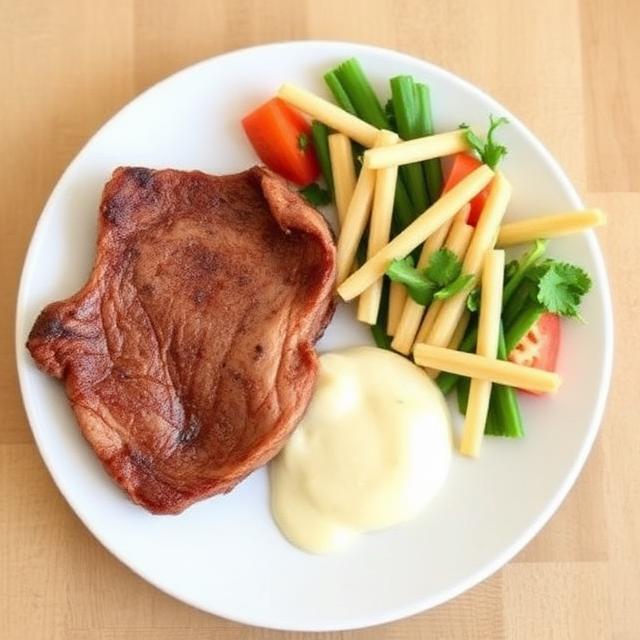
You made the switch. You cleared the dairy out of your fridge and stopped buying meat at the store. Then, out of nowhere, you find yourself daydreaming about a slice of pizza or a burger. Craving meat or dairy as a new vegan is common. It happens to almost everyone who changes their diet in a big way, and it does not mean you failed.

This article walks through why these cravings show up and what actually helps. You will find real food swaps, simple habits, and answers to the questions most new vegans ask. None of this requires white-knuckling your way through week one. Small, smart changes make the whole process easier.
By the end, you will know how to handle a craving the moment it hits. You will also know how to stop it from happening as often. Let’s get into it.
Most people picture a strict, all or nothing approach when they think about going vegan. That mindset actually makes cravings harder to manage, not easier. A flexible approach, built around real food and real planning, works far better for most beginners than sheer willpower alone.
Why You Start Craving Meat or Dairy as a New Vegan
Cravings are not a sign of weak willpower. They are your body and brain reacting to a real change. When you remove meat and dairy fast, your taste buds, gut bacteria, and habits all need time to catch up. Craving meat or dairy as a new vegan is often just your body asking for something familiar, not something it truly needs.
Part of this comes down to taste memory. Foods high in fat, salt, and savory flavor light up reward centers in your brain. Cheese and meat both hit those buttons hard. Your brain remembers that pleasure and asks for it again, especially during stress or when you are tired. This is a normal response, not a character flaw.
Habit plays a large role too. If you always had cheese on your sandwich or chicken at dinner, your brain built a routine around it. Breaking that routine feels strange at first, even if the new choice is better for you. Your brain likes patterns, and it takes a few weeks to build new ones.
There is also a nutrition angle worth understanding. Some cravings point to low iron, low protein, or low B12, since your old diet may have been your main source of these. A doctor at Healthline lays out several proven ways to handle these urges, including eating enough protein and staying hydrated, in this guide to 11 ways to stop food cravings. Once your meals are balanced again, cravings tend to fade on their own.
Sleep and stress also shape how strong a craving feels on any given day. When you are tired or overwhelmed, your brain looks for quick comfort, and old favorite foods are the easiest place to turn. This is why a craving often feels much stronger on a hard day at work than on a calm, relaxed weekend. Getting enough rest and managing stress in other ways takes real pressure off your food choices.
Understanding these causes helps take the shame out of the process. A craving is simply information, not proof that veganism is not right for you. Once you know your triggers, you can plan around them instead of being caught off guard by them again and again.
Hormones can play a role as well, especially for anyone who menstruates. Cravings often get stronger in the days before a period, since hormone shifts affect appetite and mood. Recognizing this pattern helps you tell the difference between a habit based craving and one tied to your monthly cycle, so you can respond to each one in the right way.
Vegan Cravings Solutions That Actually Work
The fastest fix for most vegan cravings solutions is simple. Do not skip meals, and do not undereat. Many new vegans cut calories by accident because they remove meat and cheese without adding enough plant food back in. An empty stomach makes every craving feel twice as strong. Eating full meals with grains, beans, and healthy fats keeps you steady all day.
Planning ahead also cuts cravings down fast. Keep your kitchen stocked with foods that satisfy the same urge you used to fill with meat or cheese. Chickpeas, lentils, tofu, and tempeh all bring protein and a chewy bite that feels like a real meal. When a craving hits and you already have food ready, it passes much faster than if you are stuck deciding what to eat.
Timing matters as much as food choice. Cravings often spike in the evening, when your day is winding down and your energy is low. Keep a simple snack on hand for that window, like roasted chickpeas or a handful of nuts. Veganuary is one of the most trusted groups for new vegans. It shares a full breakdown of ways to handle both meat and dairy cravings in this guide on dealing with temptation.
Support from other people helps more than most new vegans expect. Talking to someone who has already gone through the same cravings makes the process feel normal instead of lonely. Online groups, local meetup groups, or even one vegan friend can make a real difference. Cravings almost always get easier once you know they are temporary and shared by nearly everyone who makes this change.
Water and rest deserve more credit than they usually get. Thirst often feels like hunger, and a tired body asks for quick fuel in the form of salty or rich food. Drinking a full glass of water and waiting fifteen minutes before deciding on a snack often shows that the craving was smaller than it first felt. Combined with a full night of sleep, this simple habit prevents a lot of unnecessary snacking.
Missing Cheese as a Vegan? Here’s What Actually Helps
Missing cheese as a vegan is one of the most common struggles people report. Dairy cheese contains a protein called casein, which breaks down during digestion into compounds that act a bit like mild opioids in the brain. That is part of why cheese feels so hard to give up compared to other foods. Knowing this can help, since it shows the craving is chemical, not just a habit.
The good news is that vegan cheese has come a long way. Cashew based cheeses melt well and work great on pizza or pasta. Nutritional yeast gives a sharp, cheesy flavor to sauces, popcorn, and mashed potatoes without any dairy at all. Store brands made from coconut oil or oats now stretch and pull almost like real mozzarella, which was nearly impossible to find just a few years back.
Texture is often the real thing people miss, more than flavor. If you loved the stretch of melted cheese, look for a brand built for melting rather than slicing. If you loved the tang of a soft cheese, a cashew based spread with lemon and salt gets close. Healthline breaks down the best types of dairy free cheese and how they compare in this guide to vegan cheese.
Give your taste buds real time to adjust. Studies on taste show that preferences shift within a few weeks of consistent change. The first bite of vegan cheese might taste different from what you remember. By the tenth try, your brain often stops comparing it to dairy at all. Stick with a few brands you like and keep them stocked, so the craving has an easy answer ready.
Homemade cheese also opens up options that stores rarely carry. A simple blend of soaked cashews, lemon juice, garlic, and nutritional yeast makes a creamy spread in minutes with a blender. Adding herbs or roasted red pepper changes the whole flavor without much extra work. Making your own version also costs far less than most store bought brands over time.
Do not judge every vegan cheese by the first brand you try. Flavor, melt, and texture vary a lot between companies, and one brand missing the mark does not mean they all will. Ask other vegans which brands they trust, since recommendations from real people usually beat guessing at the store. Trying three or four different options before giving up gives you a fair shot at finding one you truly enjoy.
How to Stop Craving Meat for Good
Learning how to stop craving meat starts with understanding what you are actually craving. Most people are not craving meat itself. They are craving protein, salt, fat, or a chewy texture that feels filling. Once you identify which one you want, it becomes much easier to find a plant based food that satisfies it just as well.
Protein rich, savory foods work best as direct replacements. Seitan has a dense, chewy bite close to meat, since it is made from wheat gluten. Tempeh has a firm texture and soaks up marinades well, which makes it taste bold and savory. Mushrooms, especially king oyster or portobello, bring a meaty texture when grilled or seared with the right seasoning.
Seasoning makes a bigger difference than most people expect. Meat often tastes good because of the fat, salt, and umami added during cooking, not because of the meat alone. Smoked paprika, soy sauce, garlic, and liquid smoke can turn simple plant food into something that satisfies a meat craving fast. Do not be afraid to season plant food as boldly as you would season meat.
Give your body time and stay consistent with full meals. Healthline’s guide to 11 ways to stop food cravings points out that cravings often link to stress, poor sleep, and low blood sugar, not just food choice alone. Fixing those basics, alongside better plant based meals, makes meat cravings fade much faster than diet changes by themselves.
Cooking method changes the whole experience of a meal. Grilling, searing, or roasting plant food creates a browned, savory crust close to what you get from cooking meat. This browning reaction builds deep flavor that boiling or steaming simply cannot match. Try roasting tofu or tempeh at a high heat instead of pan frying it gently, and notice how much closer it feels to a meat dish.
Portion size matters too, since a small side salad rarely satisfies a craving built around a hearty meal. Build your plate so the plant protein takes up the same space meat once did, not a small corner of the plate. A full, generous portion signals to your brain that you are eating a real meal, not a diet substitute.
The Best Vegan Substitute for Cravings, Food by Food
Finding the right vegan substitute for cravings depends on exactly what you miss. If you crave the salty crunch of bacon, try baked chickpeas or coconut bacon made with tamari and liquid smoke. If you crave a burger, a black bean or lentil patty with the right spice blend gets close, especially when grilled with a bit of char.
If eggs are what you miss, tofu scrambled with turmeric, black salt, and nutritional yeast tastes surprisingly close to real scrambled eggs. Black salt, called kala namak, brings a sulfur smell that mimics eggs almost exactly. This one small ingredient fools a lot of longtime egg lovers the first time they try it.
For milk and cream cravings, oat milk and cashew cream both bring a rich, smooth texture to coffee, soups, and sauces. Coconut cream whips up just like dairy whipped cream for desserts. These swaps work in nearly any recipe that calls for dairy, so you rarely need to give up a favorite dish completely.
Healthline lists a wide range of plant foods that cover almost every nutrient and craving you might run into, in this guide to foods vegans eat. Keep a few of these on hand at all times. A stocked kitchen is the single best defense against a craving that catches you off guard.
If you crave fried chicken or a crispy texture, try breaded and baked cauliflower or soy curls tossed in hot sauce. The crunch on the outside satisfies the same urge as fried food, while the inside stays tender and flavorful. A hot sauce or barbecue glaze at the end adds the bold flavor that makes fried chicken so craveable in the first place.
If seafood is what you miss, hearts of palm shredded and seasoned with seaweed flakes can mimic the flaky texture of crab or fish. Chickpea based tuna, made with vegan mayo, celery, and a bit of seaweed for that ocean flavor, works well in a sandwich. These swaps will not taste identical to seafood, but they scratch the same texture and flavor itch that drives the craving.
Nutrient Gaps That Make Cravings Worse
Sometimes a craving is your body flagging a real nutrient gap, not just a taste memory. Vitamin B12 is only found naturally in animal foods, so a new vegan diet needs a reliable source right away. Low B12 can cause tiredness, low mood, and even stronger food cravings, since your body is trying to get your attention. The Cleveland Clinic explains the signs and risks of low B12 in detail in this overview of vitamin B12 deficiency.
Iron works the same way. Plant based iron is absorbed less easily than the iron found in meat, so new vegans sometimes run low without realizing it. Low iron often shows up as fatigue, weakness, and cravings for heavy, iron rich foods like red meat. Pairing iron rich plant foods, like lentils and spinach, with vitamin C from citrus or peppers helps your body absorb much more of it. Stanford Medicine covers this pairing trick and more in its guide to boosting iron on a vegan diet.
Protein deserves its own attention as well, even though most vegans get enough once meals are planned well. Beans, lentils, tofu, tempeh, and whole grains all bring solid amounts of protein across a normal day. Low protein intake can leave you feeling hungry soon after eating, which often gets mistaken for a meat craving. Healthline breaks down the real signs of low protein in its guide to protein deficiency symptoms.
A simple multivitamin built for vegans covers most of these gaps without much effort. Talk to a doctor before starting any new supplement, especially if you take other medication. Getting your nutrient levels checked once a year gives you real data instead of guesswork, and it often explains cravings that food alone cannot fix.
Zinc and omega 3 fats round out the list of nutrients worth watching. Pumpkin seeds, chickpeas, and cashews all bring solid zinc, while ground flaxseed, chia seeds, and walnuts supply omega 3 fats similar to what fish once provided. These smaller nutrients rarely cause dramatic symptoms, but keeping them steady supports mood and energy, which in turn keeps cravings calmer overall.
Craving Sugar or Salty Snacks as a New Vegan
Sugar and salt cravings often show up alongside meat and dairy cravings during the first few weeks. Many processed foods, including some vegan snacks, are loaded with added sugar and sodium to make them taste exciting. When your palate first shifts away from these strong flavors, whole foods can taste bland by comparison, which pushes you toward sweeter or saltier options.
Blood sugar swings are a major driver of sugar cravings in particular. Skipping meals or eating mostly refined carbs causes a spike and then a crash. That crash often triggers an urge for something sweet soon after. Eating regular meals with protein, fiber, and healthy fat keeps blood sugar steadier, which cuts sugar cravings down noticeably within a week or two. Healthline outlines a clear approach to breaking this cycle in its guide to a three step plan to stop sugar cravings.
Caffeine and alcohol can quietly stir up sugar cravings as well. Coffee on an empty stomach spikes blood sugar and often leads to a crash an hour later. Pairing your morning coffee with real food, rather than drinking it alone, helps keep this swing from happening in the first place.
Salt cravings often point to low sodium after cutting out processed meat and cheese, both of which are high in sodium naturally. This does not mean you need to eat unhealthy amounts of salt. A pinch of salt on roasted vegetables or a splash of tamari in a stir fry can satisfy the urge without going overboard. Popcorn with nutritional yeast and a little sea salt makes a filling, satisfying snack that handles both salt and crunch cravings at once.
Fruit is one of the most useful tools against a sugar craving. Dates, frozen grapes, and ripe bananas all bring natural sweetness along with fiber. This fiber slows down how fast sugar hits your bloodstream. Pairing fruit with a source of protein makes the snack more filling. An apple with peanut butter is far less likely to trigger another craving an hour later.
Handling Cravings at Restaurants, Parties, and Family Meals
Social situations bring some of the strongest cravings a new vegan will face. Smelling a favorite dish being served to everyone else at the table can trigger a craving fast. This can happen even if you were not thinking about food a minute earlier. Planning ahead before these situations makes a huge difference in how easy they feel.
Before eating at a restaurant, look at the menu online first and pick your meal in advance. Most restaurants now offer at least one vegan option, and knowing your choice ahead of time removes the stress of deciding under pressure. PETA shares a full set of tips for eating vegan at restaurants and family gatherings without feeling isolated, in this guide to eating vegan with non vegans.
At family gatherings, offering to bring a dish removes the worry of having nothing to eat. Bring something you genuinely enjoy, so you are not just picking at a plain side salad while everyone else eats a full meal. This also gives family members a low pressure way to try vegan food themselves, which often leads to fewer questions and less pressure on you.
Eating a small snack before a big event also takes the edge off strong cravings. Arriving hungry to a party full of non vegan food is one of the fastest ways to feel overwhelmed by cravings. A piece of fruit or a handful of nuts on the way out the door keeps your blood sugar steady until you can eat a real meal.
A Sample Day of Vegan Eating That Fights Cravings
A steady eating pattern throughout the day prevents most cravings before they start. Start the morning with oatmeal topped with peanut butter, banana, and a scoop of ground flaxseed, which brings fiber, protein, and healthy fat together in one bowl. This kind of breakfast keeps you full for hours, unlike a quick bowl of cereal or plain toast.
For lunch, a grain bowl with quinoa, roasted chickpeas, greens, and a tahini dressing brings protein, iron, and flavor into one meal. Adding a squeeze of lemon helps your body absorb more iron from the chickpeas and greens. This kind of lunch keeps energy steady through the afternoon slump, when cravings tend to spike.
Dinner works well built around a plant protein like tempeh, lentils, or tofu, paired with a whole grain and a big serving of vegetables. Season boldly with garlic, ginger, or smoked paprika so the meal feels satisfying rather than plain. Healthline offers a full week of balanced meal ideas in its guide to a vegan meal plan. It makes a useful starting point for anyone still learning how to build full days of meals.
Snacks between meals close the gaps that often lead to cravings. Roasted edamame, hummus with cut vegetables, or a piece of fruit with nut butter all work well. Having two or three go to snacks ready in the fridge means you are never stuck reaching for whatever non vegan food happens to be nearby.
Building Meals That Keep Cravings From Coming Back
A well built plate does more to stop cravings than any single food swap. Aim for a solid protein source, a whole grain, healthy fat, and vegetables at most meals. This combination keeps blood sugar steady and keeps you full for hours, which cuts down on the urge to snack on old favorites.
Meal prep removes a lot of decision fatigue during the week. Cook a big batch of beans, grains, and roasted vegetables on the weekend, then mix them into different meals through the week. Having food ready means you are far less likely to reach for a quick, non vegan option out of pure convenience.
Do not aim for bland food while your taste buds adjust. Bold spices, fresh herbs, and good sauces make plant based meals taste exciting rather than like a diet. Garlic, ginger, chili, and citrus can turn simple beans and rice into a dish you actually look forward to eating. Cravings shrink fast once your daily meals feel satisfying instead of like a sacrifice.
Snacks matter just as much as full meals. Keep roasted nuts, hummus with vegetables, or a protein bar nearby for moments when hunger strikes between meals. A good snack stops small hunger from growing into a full blown craving by dinner time.
Common Mistakes That Make Cravings Worse
Many new vegans accidentally make their own cravings worse without realizing it. The biggest mistake is simply not eating enough food overall. Meat and cheese are calorie dense, so removing them without adding enough plant food back leaves you hungry and far more likely to crave your old diet.
Relying too heavily on processed vegan junk food is another common trap. Chips, cookies, and packaged vegan snacks are technically plant based, but they rarely fill you up or provide real nutrition. A diet built mostly around these foods leaves you undernourished, which fuels cravings for something more substantial. WeightWatchers covers this and other early missteps in its guide to common mistakes when becoming vegetarian or vegan.
Going too fast without a plan trips up a lot of beginners as well. Switching everything overnight, without learning any new recipes first, often leads to boring, repetitive meals within the first week. Boredom with food is one of the fastest paths back to old habits, since a repetitive diet feels like a punishment rather than a real lifestyle change.
Skipping supplements or nutrient tracking early on is a mistake that shows up weeks or months later. By the time symptoms like fatigue or low mood appear, a real deficiency may already be underway. Setting up a B12 supplement and a few reliable iron sources from day one prevents this problem before it starts.
What to Do When You Slip Up
Slipping up does not erase your progress or mean you should give up. Many longtime vegans ate meat or cheese at some point early on, often during a stressful week or a holiday meal. What matters most is what you do the next day, not the slip itself.
Try to notice the pattern instead of just feeling guilty. Were you overly hungry, stressed, or caught without a vegan option nearby? Figuring out the trigger helps you plan around it next time, whether that means packing food before a trip or eating a full meal before a party.
Guilt rarely helps anyone stick with a new habit. Being kind to yourself after a slip makes it far easier to get back on track the next day. Treat the whole process as a skill you are building, not a test you can fail all at once.
One slip does not undo weeks of progress toward your goals. Get back to your normal meals at the very next opportunity, rather than waiting until tomorrow or next week. The sooner you return to your usual routine, the smaller that slip becomes in the bigger picture.
Staying Vegan for the Long Run
Long term success usually comes down to variety, not perfection. Rotate through different cuisines, since Thai, Mexican, Indian, and Middle Eastern cooking all have naturally plant heavy dishes packed with flavor. This keeps meals interesting and stops the diet from feeling repetitive after the first few months.
Give yourself grace during holidays, travel, and big life changes. These moments often bring the strongest cravings simply because routine gets disrupted. Packing a snack, checking a menu ahead of time, or eating before an event can prevent most cravings before they even start.
Track how you feel over time, not just what you eat. Better energy, clearer skin, or steadier digestion often shows up within a few months and becomes its own reward. Once you notice these changes, the pull toward old meat and dairy habits usually fades on its own.
Find a few go to recipes that feel like your own comfort food. Every long term vegan has a small list of meals they can cook without thinking, and those meals become a real safety net during a busy or stressful week. Building this list early makes the whole diet feel sustainable rather than fragile.
Celebrate small wins instead of waiting for a big milestone. Trying a new vegetable, finding a cheese brand you actually like, or making it through a tough family dinner all count as real progress. Recognizing these moments keeps motivation high and makes the entire process feel like growth instead of restriction.
Final Thoughts
Craving meat or dairy as a new vegan is a normal part of the process, not a sign you are doing it wrong. Your body and brain both need time to build new habits and adjust to new foods. Every craving you work through gets a little easier than the last.
Focus on eating full meals, trying new vegan substitutes, and forgiving yourself for the occasional slip. Cravings fade with consistency, not perfection. Give yourself the same patience you would offer a friend going through the exact same change.
Keep this article on hand for the next time a craving catches you off guard. Come back to the sections on cheese, meat, and nutrient gaps whenever you need a quick reminder of what to try. Over time, the tools here will become second nature, and the cravings that feel overwhelming today will barely register at all.

I can’t lie, when I first began my vegan journey, the majority of my diet did consist of just vegetables and fruit with the occasional piece of tofu thrown in.
I got back on my feet, though, and I vowed to never make that same mistake again! I spent my free time learning about how to nourish my body properly without the use of meat and animal products. It actually turned out to be pretty easy!
Now I am healthier than ever and working alongside a nutritionist to ensure that I don’t slip up again.
That’s what this website is all about! Helping more people turn to the vegan lifestyle in a healthy and happy manner. I’ve got recipes, advice, tricks, tips, and more coming your way, so don’t miss it!
- What to Do When You’re Craving Meat or Dairy as a New Vegan - September 5, 2026
- Free 30-Day Vegan Meal Plan for Beginners - September 4, 2026
- How to Go Vegan: A Step-by-Step Beginner’s Guide - September 3, 2026